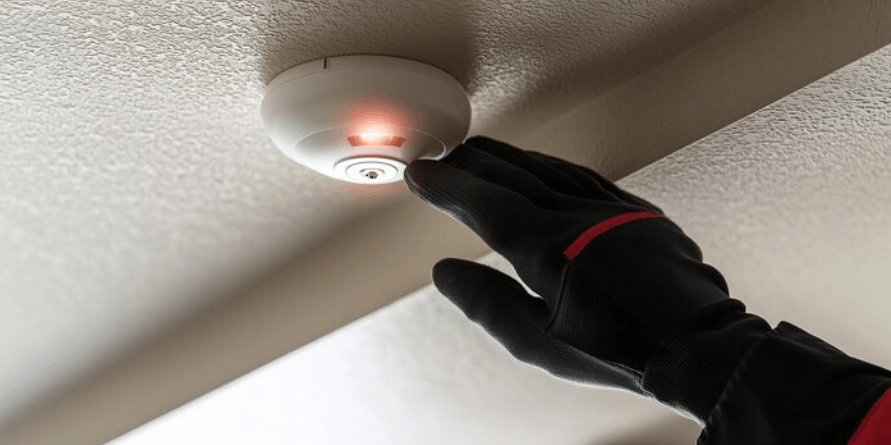
Introduction
Fire safety is one of the most important considerations for any residential, commercial, or industrial property. A fire can spread rapidly, causing significant damage to buildings, assets, and, most importantly, putting lives at risk. One of the most effective ways to minimize these risks is through professional fire alarm system installation.
A properly installed fire alarm system provides early detection of smoke, heat, or fire, allowing occupants to evacuate safely and emergency responders to react quickly. Whether for a home, office building, retail store, warehouse, school, or healthcare facility, fire alarm systems are an essential component of a comprehensive safety strategy.
What Is a Fire Alarm System?
A fire alarm system is a network of devices designed to detect signs of fire and alert building occupants. These systems use sensors, control panels, alarms, and communication devices to provide immediate warning when a fire emergency occurs.
A typical fire alarm system may include:
- Smoke detectors
- Heat detectors
- Manual pull stations
- Alarm control panels
- Audible sirens
- Visual strobe lights
- Emergency communication devices
- Monitoring services
When smoke or heat is detected, the system activates alarms to notify occupants and may automatically alert emergency services.
See also: Bremelanotide Onset Time and Side Effects
Why Fire Alarm System Installation Is Important
Early detection is critical during a fire emergency. Even a small fire can become dangerous within minutes, making rapid notification essential.
Benefits of professional fire alarm system installation include:
- Early fire detection
- Faster emergency response
- Enhanced occupant safety
- Reduced property damage
- Code compliance
- Lower liability risks
- Increased peace of mind
A reliable fire alarm system can provide valuable time for evacuation and emergency action, potentially saving lives and minimizing losses.
Types of Fire Alarm Systems
Different properties require different fire protection solutions. Understanding the available options can help property owners choose the most effective system.
Conventional Fire Alarm Systems
Conventional systems divide a building into zones. When an alarm is triggered, the control panel identifies the affected zone, helping responders locate the issue.
These systems are commonly used in:
- Small offices
- Retail stores
- Residential buildings
- Small commercial properties
Addressable Fire Alarm Systems
Addressable systems identify the exact device that activated the alarm. This provides more precise information and faster response times.
These systems are often installed in:
- Large office buildings
- Hospitals
- Schools
- Hotels
- Industrial facilities
Wireless Fire Alarm Systems
Wireless fire alarm systems use radio signals rather than extensive wiring. They are ideal for buildings where running cables may be difficult or costly.
Benefits include:
- Faster installation
- Reduced disruption
- Flexible expansion options
- Minimal structural modifications
Components of a Fire Alarm System
A professionally installed system includes multiple components working together to provide comprehensive protection.
Smoke Detectors
Smoke detectors identify smoke particles in the air and trigger alarms when a potential fire is detected.
Heat Detectors
Heat detectors respond to significant temperature increases and are often used in areas where smoke detectors may produce false alarms.
Fire Alarm Control Panel
The control panel serves as the system’s central hub, receiving signals from detectors and activating alarms when necessary.
Notification Devices
These devices alert occupants through:
- Audible alarms
- Horns
- Bells
- Strobe lights
- Voice evacuation systems
Monitoring Services
Many systems connect to monitoring centers that can notify emergency responders immediately when an alarm activates.
Professional Fire Alarm System Installation Process
Professional installation ensures that every component functions correctly and complies with local fire safety regulations.
Site Assessment
Technicians evaluate the property to determine risks, building layout, occupancy requirements, and code compliance needs.
System Design
A customized fire alarm system is designed to provide complete coverage while meeting safety standards.
Installation
Certified technicians install detectors, wiring, control panels, and notification devices according to manufacturer specifications and applicable codes.
Testing and Inspection
After installation, the entire system is tested to verify proper operation and ensure reliable performance.
Training and Maintenance
Property owners and staff receive guidance on system operation, while ongoing maintenance helps keep the system functioning effectively.
Fire Alarm Systems for Businesses
Commercial properties often require advanced fire alarm solutions due to larger building sizes and higher occupancy levels.
Industries that commonly require fire alarm installation include:
- Office buildings
- Retail centers
- Restaurants
- Warehouses
- Manufacturing facilities
- Schools
- Healthcare facilities
- Apartment complexes
Proper fire protection helps businesses maintain compliance, protect employees, and reduce operational risks.
Maintaining Your Fire Alarm System
Installation is only the first step. Regular maintenance ensures continued reliability and compliance with safety regulations.
Recommended maintenance includes:
- Routine inspections
- Detector cleaning
- Battery replacement
- System testing
- Software updates
- Professional servicing
Preventive maintenance helps identify issues before they affect system performance.
Conclusion
Fire alarm system installation is one of the most important investments a property owner can make. A professionally designed and installed system provides early fire detection, enhances occupant safety, and helps minimize property damage during emergencies.
Whether for a residential property, commercial building, or industrial facility, a reliable fire alarm system serves as a critical line of defense against fire-related risks. By partnering with experienced fire protection professionals, property owners can ensure their buildings remain protected, compliant, and prepared for emergencies at all times.