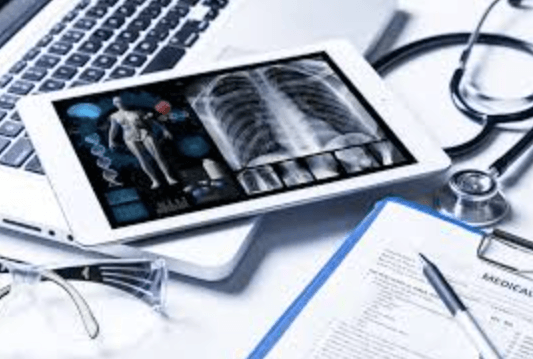
IoT is transforming healthcare by enabling continuous data capture from wearables, implants, and connected devices. Real-time monitoring supports early warning signs and tailored treatments with standardized metrics that protect clinician autonomy. Interoperability links measurement, insight, and decision-making across settings, while robust security and clear consent practices build patient trust. Governance and data integration drive transparency and accountability, yet challenges remain in integration, privacy, and governance structures that must be addressed to realize full value.
What IoT Brings to Modern Healthcare
IoT technologies are transforming modern healthcare by enabling continuous, real-time data collection from diverse sources such as wearable devices, implanted sensors, and connected medical equipment.
This integration supports person centered care, aligning interventions with individual needs.
Data-driven insights enhance outcomes while preserving patient autonomy.
The approach remains device agnostic, prioritizing interoperability, rigorous evidence, and transparent measurement to guide effective, ethical clinical decisions.
How Real-Time Monitoring Transforms Patient Care
Real-time monitoring reshapes patient care by delivering continuous, granular data that informs timely decisions and proactive interventions.
The approach emphasizes real time data collection, enabling clinicians to assess trends, detect deterioration early, and tailor treatments.
Evidence supports improved patient outcomes through continuous observation, while device interoperability and standardized metrics streamline clinical decision making without interrupting care workflows, enhancing patient-centered efficiency.
Interoperability and Data: Linking Devices to Decisions
Interoperability and data sharing enable diverse medical devices to speak a common language, linking measurement, insight, and decision-making in real time.
Data governance ensures accountability, while device standardization reduces variation across platforms.
Interoperability and data: linking devices to decisions enhances patient-centered care, supports evidence-based workflows, and improves outcomes by translating signals into timely, informed actions—without compromising clinician autonomy or patient trust.
Security, Privacy, and Trust in IoT-Driven Health
How can security, privacy, and trust be preserved as IoT-driven health expands?
Data show measurable gains in outcomes when robust authentication, encryption, and access controls are paired with transparent patient consent.
Evidence highlights ongoing risks from privacy breaches and consent fatigue, underscoring the need for patient-centered governance, continuous monitoring, and independent audits to preserve confidence and safety across care settings.
Frequently Asked Questions
How Do Wearables Affect Patient Engagement Post-Discharge?
Wearables improve patient engagement post-discharge by enabling continuous monitoring, prompting timely in-app actions, and supporting education through feedback. Evidence shows wearable adherence correlates with early intervention, while post discharge telemetry sustains accountability and personalized care beyond discharge milestones.
What Reimbursement Models Exist for Iot-Enabled Care?
Reimbursement models for IoT-enabled care include value-based arrangements and fee-for-service options; billing codes exist for remote monitoring and telehealth. Data-driven, patient-centered evidence supports flexibility, emphasizing access, affordability, and stakeholder alignment to sustain innovative, freedom-oriented healthcare delivery.
How Is Patient Consent Managed for Device Data Sharing?
Patient consent for device data sharing is governed by consent governance processes, enabling individuals to opt in/out and specify scope; data provenance traces data origin and transformations, supporting transparency, accountability, and patient-centered trust in IoT-enabled care.
Can Iot Reduce Alarm Fatigue in Hospitals Effectively?
IoT can reduce alarm fatigue through optimized sensor placement and smarter alert algorithms, improving signal relevance and clinician response. Data-driven evidence shows fewer unnecessary alarms, while patient-centered designs emphasize comfort, safety, and freedom from nuisance disturbances.
See also: How Image Recognition Works
What Are Future Standards for Cross-Device Data Formats?
Future data formats will emphasize cross device interoperability, enabling seamless clinical data exchange. Evidence suggests standardized schemas improve interoperability, support patient-centered care, and reduce errors. Freedom-seeking audiences should value open, interoperable, humanity-focused standards shaping future data formats.
Conclusion
IoT-enabled healthcare delivers measurable benefits: continuous data streams, real-time alerts, and interoperable systems that support timely, personalized care. Evidence shows that standardized metrics reduce clinician burnout and streamline workflows without sacrificing autonomy. While data security and patient privacy are essential, robust governance and transparent consent underpin trust and accountability. Anticipating concerns about surveillance, the conclusion emphasizes patient-centered outcomes—IoT should enhance, not replace, clinician judgment, with data empowering better decisions and improved health outcomes.